PhD
Beihang University · Beijing, China
Empirical Software Engineering, Machine Learning, and Data Mining · 2019.
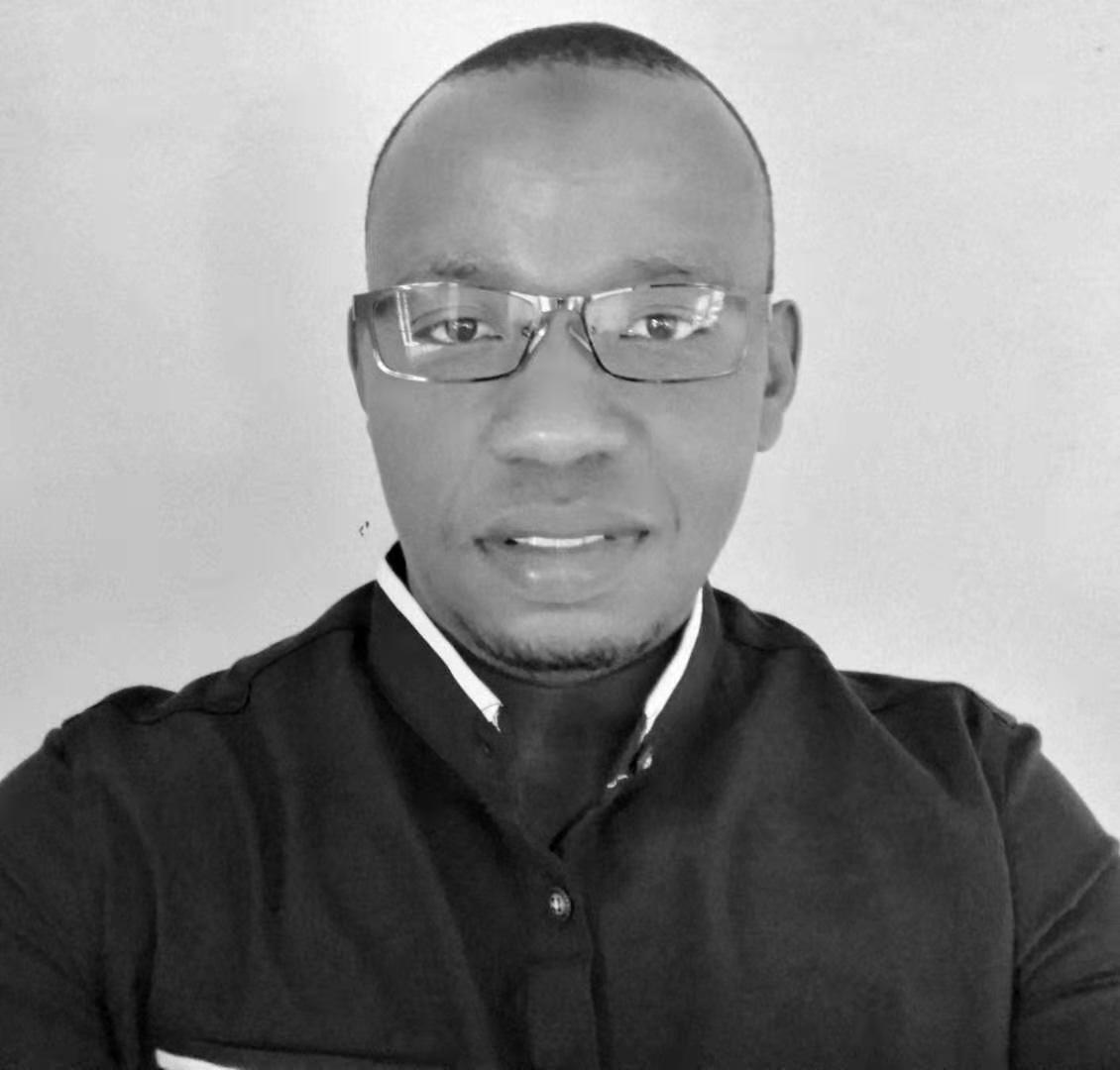
Dr. Abdillah Mohamed is an author, software engineer, cybersecurity professional, and researcher based in Fredericton, New Brunswick, Canada. His work brings together more than a decade of experience across software engineering, data, banking, government, academia, enterprise technology, and applied artificial intelligence.
He earned a PhD from Beihang University in Beijing, with a research focus spanning empirical software engineering, machine learning, and data mining. His peer-reviewed work has appeared in IEEE Access, IEEE SANER, and SEKE and includes machine-learning research on large-scale software-development data.
Professionally, his experience spans identity and access management, cybersecurity, enterprise applications, database administration, core banking systems, business intelligence, data analytics, machine learning, and software development.
Alongside this technical and academic formation, Islam has been a longstanding part of his intellectual and community life. His experience includes leading prayers, delivering Friday sermons, teaching Qur’an, and participating in Islamic community activities. These dimensions converge in his writing on technology, ethics, responsibility, justice, and human flourishing.
My academic and professional work has repeatedly shown me what software, data, machine learning, digital infrastructure, and increasingly intelligent systems can make possible.
Technology naturally asks: What can we build? How can we make it work? How can we make it faster, safer, smarter, and more useful?
Faith and ethics introduce another layer of inquiry: What should we build? Why? Whom should it serve? What responsibilities accompany power? What does justice require?
When Progress Is Not Enough grew from the intersection of these questions. It is not an argument against scientific, technological, or economic progress. It asks what progress is ultimately for—and what meaning, ethics, community, justice, and responsibility contribute to genuine human flourishing.
My academic path combines mathematics and computing, advanced software engineering, and doctoral research in empirical software engineering, machine learning, and data mining.
Beihang University · Beijing, China
Empirical Software Engineering, Machine Learning, and Data Mining · 2019.
Institut Supérieur de l'Informatique · Dakar, Senegal
Software Engineering · 2011.
Gamal Abdel Nasser University · Conakry, Guinea
Mathematics and Computer Science Applied to Business Management · 2010.
My research focuses on predictive modeling and empirical software engineering, combining large-scale software data with machine-learning methods to investigate practical software-development problems.
Peer-reviewed research in empirical software engineering and applied machine learning.
Peer-reviewed research presented in the software analysis, evolution, and reengineering community.
Peer-reviewed work in software engineering and knowledge engineering.
One strand of my published research developed and evaluated machine-learning approaches for predicting reopened pull requests in major open-source GitHub projects. The study analyzed more than 100,000 pull requests across seven projects and evaluated predictive performance using precision, recall, and F1.
My career has crossed several institutional environments—banking, government, higher education, public-sector enterprise systems, and applied data work—providing a practical view of how technology affects institutions and people.
Professional experience information will be published here.
Enterprise access provisioning and governance, including account lifecycle management, least privilege, role assignment, segregation of duties, access incidents, and protection of sensitive information.
Database development, administration, economic and financial dashboards, system migration work, and machine-learning approaches to macroeconomic forecasting, including inflation-related analysis.
Database administration and analytics for customs and tax environments, including performance tuning, backup and recovery, maintenance, capacity planning, and technical support.
Teaching experience in database management systems, business intelligence, Python programming, data structures, algorithms, and data-analysis concepts.
Experience supporting banking databases and core banking systems as well as network, email, mobile banking, and end-user technology operations.
Experience developing AI and data-driven applications using technologies including Python, TensorFlow, PyTorch, Scikit-learn, Django, and PostgreSQL.
My technical work spans software engineering, data systems, cybersecurity, access governance, artificial intelligence, and enterprise technology.
Islam has been woven into my life from an early stage, not only as a subject of intellectual reflection but through religious practice and community participation.
That engagement has included leading prayers, delivering Friday sermons, teaching Qur’an, and participating in other Islamic and community activities.
I do not present my writing as a substitute for specialized Islamic scholarship or as a fatwa manual. Where contemporary questions require detailed jurisprudential judgment, qualified Islamic scholarship remains essential. My contribution is interdisciplinary: bringing technical experience and empirical research into conversation with Islamic ethical principles and contemporary human challenges.
As humanity becomes more powerful, intelligent, connected, and prosperous, what will ensure that our progress also makes us more purposeful, just, compassionate, responsible, and truly human?
Explore the Book →